Pelumi Olajengbesi Urges Political Parties to Stop Dragging INEC into Frivolous Litigations
 by
by 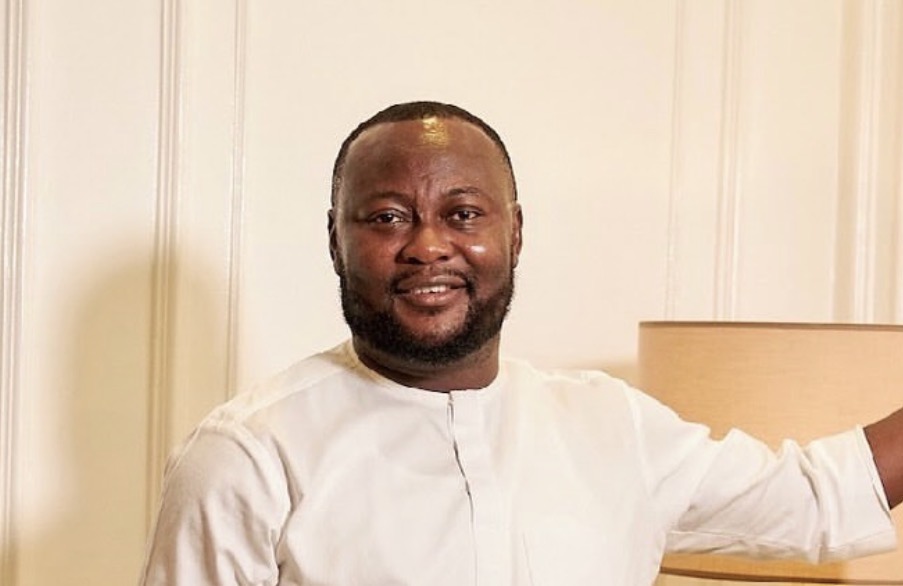
 by
by An Abuja-based lawyer, Pelumi Olajengbesi, has called on political parties to stop involving the Independent National Electoral Commission (INEC) in what he described as frivolous and avoidable litigations, warning that frequent intra-party disputes are distracting the electoral body from its primary responsibility of conducting credible elections.
Olajengbesi, a senior partner at the Abuja-based law firm Law Corridor, said political parties must take greater responsibility for resolving their internal conflicts instead of rushing to court and making INEC a party to nearly every dispute.
In a statement issued on Monday, the legal practitioner noted that many cases—particularly those related to party primaries and leadership disagreements—should ideally be resolved internally rather than escalating into legal battles that consume the commission’s time and resources.
“Though INEC is constitutionally mandated to be a party to pre-election and post-election litigations, political parties should apply caution and discretion in the type of cases that they join the electoral umpire in,” Olajengbesi said. “INEC should be allowed to focus on its core mandate: conducting credible polls.”
He warned that the increasing number of election-related cases is placing unnecessary pressure on Nigeria’s electoral system and slowing the country’s democratic progress.
To highlight the trend, Olajengbesi referenced a 2025 report by the Policy and Legal Advocacy Centre (PLAC), which revealed a high failure rate in election-related cases following the 2023 general elections.
According to the report, 88.9 percent of the 895 cases reviewed at Election Petition Tribunals failed, with only 11.1 percent succeeding. At the Court of Appeal, 79.4 percent of the 588 election appeals were unsuccessful, while only 20.9 percent were successful.
The report further indicated that 73.1 percent of the dismissed cases failed because petitioners could not discharge the burden of proof. Another 14.7 percent were thrown out on procedural grounds, while 8.5 percent were dismissed due to lack of jurisdiction, as the matters were considered pre-election disputes. An additional 3.7 percent were rejected because the petitioners lacked legal standing.
Olajengbesi said the statistics demonstrate the extent to which the judicial system and the electoral commission are being burdened by cases that often lack merit.
“Beyond the waste of precious judicial time, these cases slow down our democracy when the electoral umpire ought to focus on solid election planning but is instead dragged repeatedly to court by political parties,” he said.
He therefore urged Nigeria’s 21 registered political parties to strengthen their internal conflict resolution mechanisms and refrain from involving INEC in avoidable disputes, particularly those relating to party primaries.
The lawyer also referenced Section 83(5) of the newly promulgated Electoral Act 2026, which states that courts should not entertain suits relating to the internal affairs of political parties.
The provision reads: “Subject to the provision of subsection (3), no Court in Nigeria shall entertain jurisdiction over any suit or matter pertaining to the internal affairs of a political party.”
Concerns over the growing number of intra-party disputes have also been raised by the commission itself. Recently, INEC Chairman, Joash Amupitan, expressed worry over the surge in litigations arising from internal party conflicts, warning that the trend is diverting the commission’s attention from its core mandate of election planning.
INEC had earlier disclosed that it handled more than 600 pre-election cases ahead of the 2023 general elections and set aside over N3 billion to manage post-election litigations.
Even as far back as 2018, the commission lamented the increasing number of conflicting court judgments resulting from leadership tussles within political parties, saying such disputes continue to distract it from its primary responsibility of organising credible elections.